Construction Industry – Understanding and Applying Overhead Costs
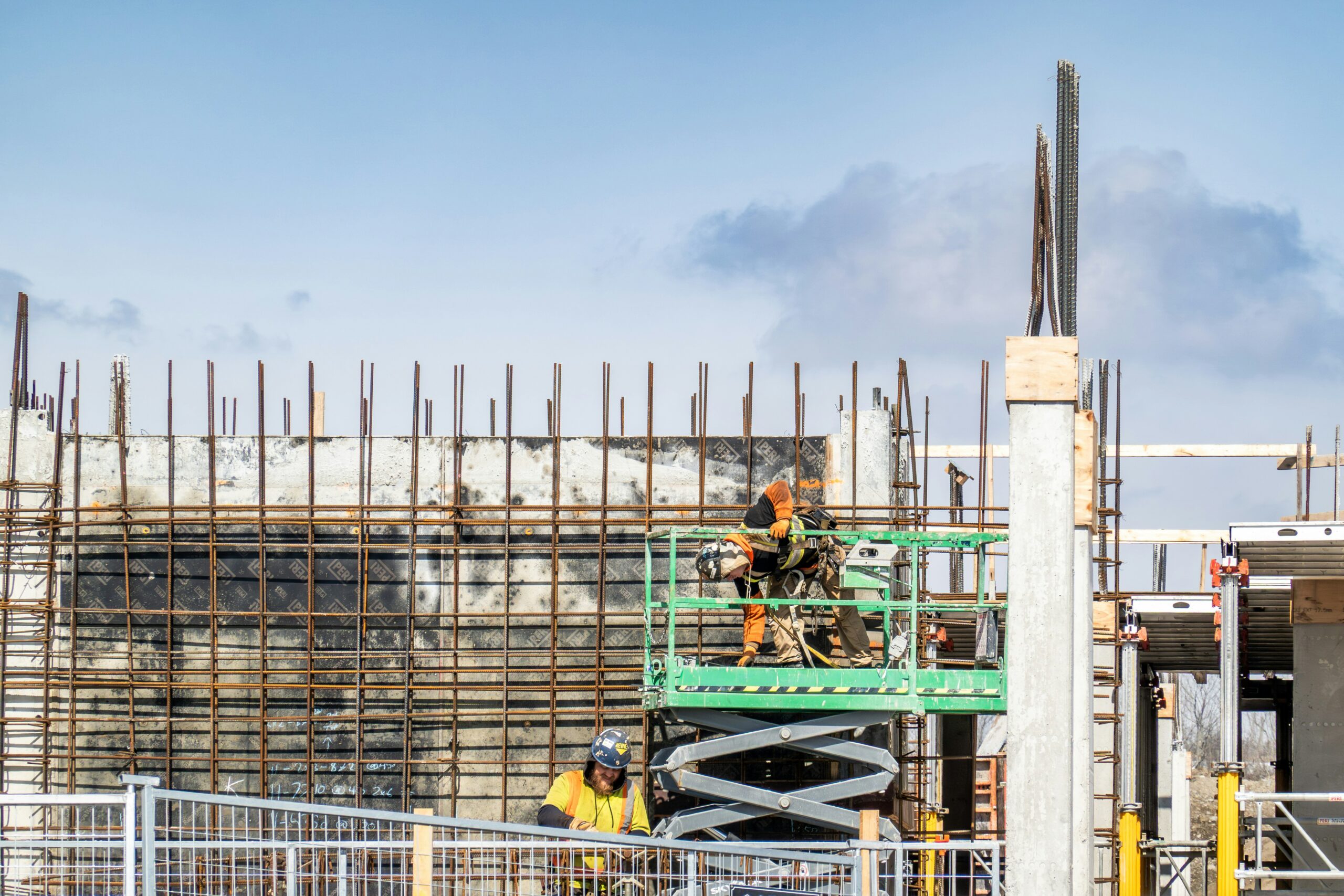
A construction company’s financial success depends on processes for estimating total project costs, managing resources from project start through completion, and using the results of completed projects to improve future estimates and decisions. One important part of that process is accounting for indirect, or overhead, costs.
Unlike many manufacturing industries, construction projects each have different labor requirements, materials, subcontractors, equipment needs, locations, and schedules. Because of these differences, construction costs need to be evaluated based on the specific work being performed and the resources required to support it. These costs include both the direct costs of a project and the overhead required to operate the business.
While direct costs can generally be assigned to a specific project, overhead costs support the company’s operations more broadly and cannot always be assigned to a particular job. Even though these costs are not directly related to one project, they still have to be accounted for when determining what the company needs to charge for its work.
Including overhead costs in project pricing can have a significant impact on a company’s financial results. The information generated by tracking overhead can also be used to improve future estimates and pricing, evaluate project profitability, manage the company’s overall cost structure, and support better business decisions.
Direct and Indirect Costs
Direct costs are expenses that can be reasonably identified with and assigned to a specific project.
Field labor is generally a direct cost. Employees track the time they spend on a particular job, and the related payroll costs can be charged to that project. Materials purchased specifically for a project can generally be assigned to that job as well.
Subcontractor costs are another significant direct cost. Specialty subcontractors may perform specific phases of a project, and the related costs can generally be traced directly to that project.
Equipment used specifically on a project may also be treated as a direct project cost when its use can be identified with that job.
Indirect costs are costs a contractor incurs to operate the business but that cannot always be directly assigned to a specific project. They may benefit multiple projects or the business as a whole rather than a single job. These costs can generally be separated into two categories: field indirect overhead and office overhead.
Field indirect overhead includes costs associated with supporting construction operations that cannot be easily assigned to one specific project or cost code. Examples may include field supervision, temporary facilities, small tools, certain equipment costs, fuel, safety expenses, and other costs that support construction activities across multiple projects.
Office overhead relates more broadly to the costs of operating the business rather than performing a specific project. These costs may include accounting and administrative personnel, office rent, utilities, software, professional fees, technology, marketing, and other general operating expenses.
The exact classification of a cost can vary depending on how a contractor operates and how its accounting system is structured. For example, equipment, fuel, supervision, or insurance costs may be treated differently depending on whether they can reasonably be identified with a particular project. A consistent approach to identifying and tracking these costs helps ensure they are properly considered in the company’s estimating and pricing processes.
Applying Overhead to Projects
Because overhead costs are not directly assigned to individual projects, they need to be incorporated into the process of estimating and pricing work. The goal is for the price of a project to reflect not only the direct costs of performing the work, but also an appropriate share of the overhead required to operate the business.
There is no single method that works for every contractor. The appropriate approach depends on the company’s operations, types of projects, cost structure, and the information available from its accounting and job-costing systems.
One common approach is to develop an overhead rate based on expected annual overhead and expected annual activity. For example, if a labor intensive (self-performing) contractor expects $600,000 of annual overhead and $3 million of direct labor project costs, an overhead rate based on direct costs would be approximately 20%.
The rate should reflect how the company actually operates. Different types of projects may require different levels of field support, equipment, supervision, or administrative resources. For some contractors, applying a single overhead rate to all projects may be appropriate. Others may benefit from different rates or allocation methods.
The important point is to establish a reasonable and consistent method for incorporating overhead into project pricing. Once that method is established, it is important to distinguish the recovery of overhead from the profit the company expects to earn.
Overhead Recovery Is Not Profit
Recovering overhead is not the same as generating profit. Consider a project with $400,000 of direct costs and $80,000 of overhead that needs to be recovered. A contract price of $480,000 does not generate $80,000 of gross profit. The $80,000 is needed to cover the company’s overhead.
Gross profit is the amount remaining after the direct costs, overhead, and other applicable costs have been accounted for. This distinction is important because a project can appear profitable when looking only at its direct job costs, while the company as a whole may not be generating an adequate return.
Overhead also should not be confused with markup. Overhead is a cost of operating the business; markup is an amount added to cost to determine a selling price. A contractor’s estimating process needs to account for both the recovery of overhead and the gross profit the company expects to earn from each project.
Volume and Backlog Matter
How much work a contractor performs also affects its ability to recover overhead. Many overhead costs are relatively fixed. If a contractor has $600,000 of annual overhead, that cost still needs to be covered even if the company performs less work than expected.
If project volume or backlog declines, there may be fewer projects over which to recover those costs. This can put pressure on margins and may require changes to pricing, staffing, or other operating costs.
The opposite can also be true. Increased volume may allow fixed overhead to be spread over more work, but additional projects may also require more employees, equipment, supervision, or administrative support.
Overhead rates should be based on realistic expectations about both the company’s costs and the amount and type of work it expects to perform.
Review Actual Results
The assumptions used to establish an overhead rate are only useful if they are compared with actual results over time. Changes in staffing, insurance, equipment, facilities, technology, project volume, or the mix of work can all affect overhead. Simply carrying forward last year’s overhead percentage may therefore not produce reliable results.
For example, if a contractor expected $600,000 of annual overhead but actually incurred $750,000, the additional $150,000 represents costs that were not included in the original expectation. If those additional costs are not reflected in future pricing or addressed through changes in the business, they can put pressure on the company’s profit.
Completed projects provide another useful source of information. Comparing actual project costs with original estimates can reveal where labor, materials, equipment, subcontractors, or other costs consistently differ from expectations. Those results can then be incorporated into future estimates and pricing.
The purpose of reviewing actual results is to make future estimates more informed and to identify changes in the business that may require a different approach.
Accounting as a Management Tool
Reliable accounting information provides the foundation for this process. Consistent classification and tracking of direct costs, field indirect costs, and office overhead gives management information that can be used to evaluate projects, review overhead, and improve future estimates.
This information can help management answer questions such as:
- What does it actually cost to operate the business?
- Are overhead costs changing?
- Is the current overhead recovery method still appropriate?
- Are projects generating an adequate return after accounting for overhead?
- How do actual project costs compare with original estimates?
- What can completed projects tell us about future bids?
When job costing, overhead, estimating, and financial reporting work together, accounting information becomes more than a record of what has already happened. It can help contractors price work more effectively, evaluate project performance, manage costs, and make better decisions about the future of the business.